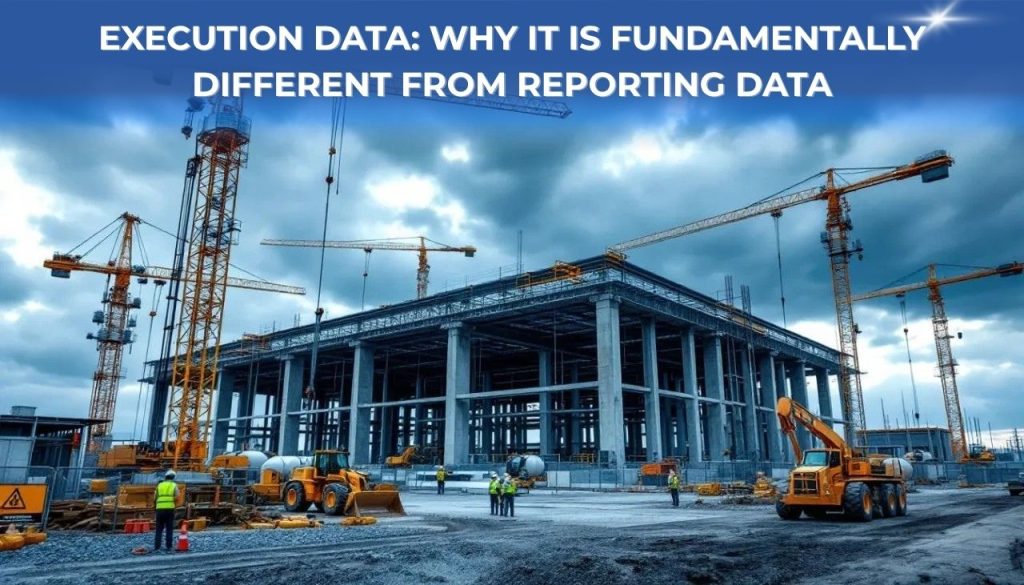

Quantity errors rarely look dangerous at first

In construction and MEP projects, quantity errors rarely trigger alarms on day one.
A missing line item. A small difference in takeoff. A drawing revision that does not fully reflect in the BOQ. Each issue looks minor and manageable.
But construction projects are not static systems. They evolve every week. When small quantity mismatches are carried forward across procurement, subcontracting, and site execution, their impact compounds.
By the time the problem becomes visible, the cost has already been locked in.
Where quantity errors actually come from

Most quantity errors do not originate from technical incompetence. They come from structural weaknesses in how projects are managed:
- Design revisions not fully synchronized with quantity takeoff
- BOQ updates handled manually across multiple spreadsheets
- Procurement orders based on outdated quantity data
- Variations tracked separately from the original cost baseline
Each team may be “right” within its own file. The project, however, becomes wrong.
The compounding effect across the project lifecycle

Quantity errors rarely stay isolated. They spread across the project lifecycle:
- Early stage: Inaccurate estimates distort bidding and budgeting
- Mid stage: Procurement commits costs based on outdated quantities
- Execution stage: Site teams consume materials without visibility of cost impact
- Late stage: Variations and claims become difficult to justify and recover
This is why many projects appear profitable on paper – until the final months.
Why project managers often realize too late

Project managers usually rely on summary reports:
- Total committed cost
- Percentage of completion
- Overall budget variance
What they rarely see is the quantity-level signal beneath these numbers.
When quantity changes are not systematically connected to cost and contract impact, early warning signs disappear. Problems surface only when margins are already eroded.
Quantity control is no longer just a QS task
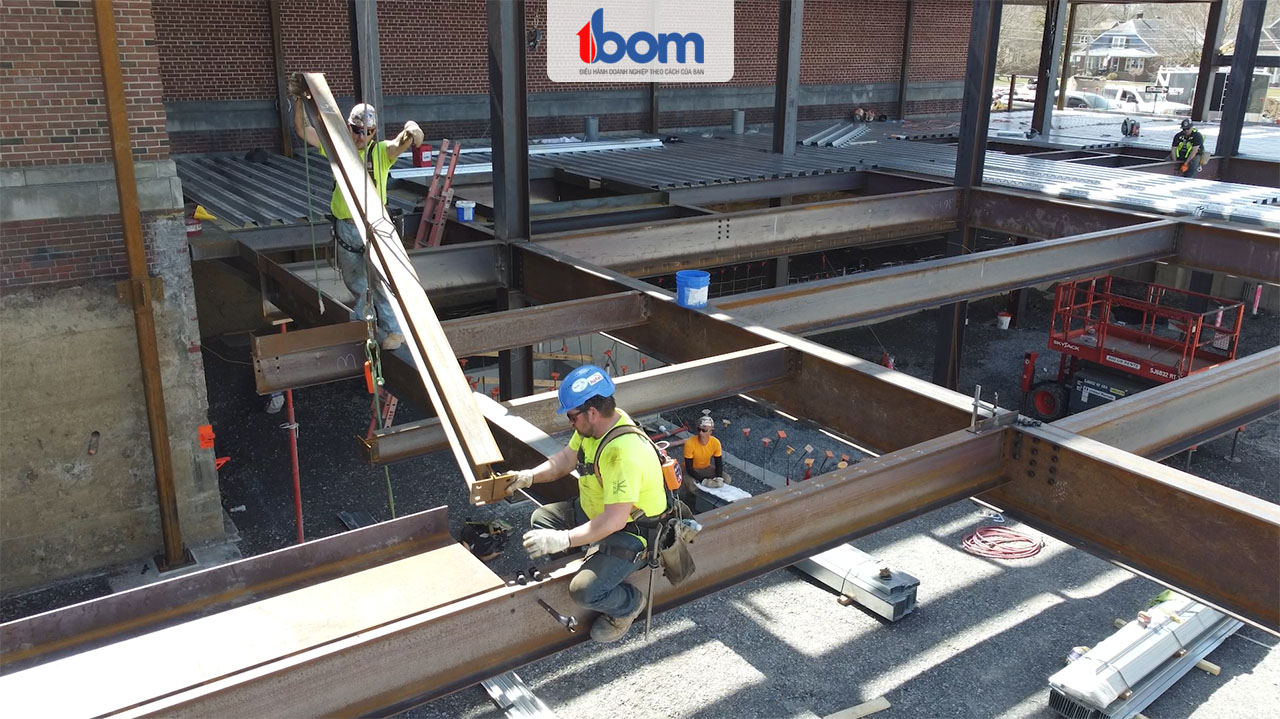
Traditionally, quantity management is viewed as a QS responsibility.
In modern construction projects, this view is no longer sufficient.
Quantity accuracy directly affects: – Procurement decisions – Cash flow planning – Subcontractor control – Project profitability
Treating quantity management as a calculation task – rather than a control system – creates blind spots that no level of experience can fully compensate for.
A shift already happening in leading contractors
More project-driven organizations are starting to rethink how quantities are managed.
They recognize that controlling quantities means: – Tracking changes, not just totals – Understanding impact, not just numbers – Connecting quantities to cost, schedule, and contract logic
This shift does not happen by adding more spreadsheets. It requires a fundamentally different way of managing project information.
What this means for your projects?

If your organization frequently discovers overruns late in the project, the issue may not be execution – it may be visibility.
The question is no longer whether quantity errors exist. They always do.
The real question is whether your project teams can see their impact early enough to act.
In the next IBOM article, we will explore why many construction companies struggle to manage quantity changes at scale – and what separates those who stay in control from those who don’t.
Đỗ Hữu Binh
CEO, ISOFT
This article is part of a professional series analyzing construction project management and cost control strategies.
© 2026 Đỗ Hữu Binh. All rights reserved.
Any citation or reuse of this content must clearly state the source and author.
- From Data Visibility to Strategic Control: Governance in the Age of AI
- Autonomous Organization — When the System Starts to Run Itself
- Why Great Construction Companies Don’t Depend on Great People
- Why Future Construction Companies Need an Operating System
- AI in Construction Project Management: From Manual Reporting to Intelligent Decision Support (Part 1)