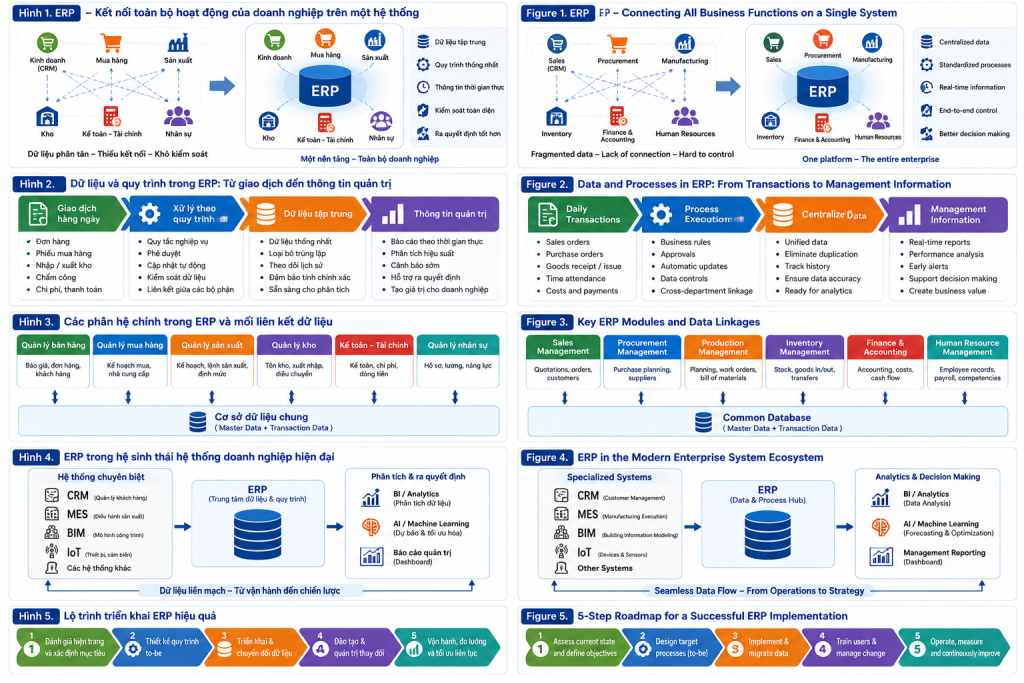

A project can administer individual contracts efficiently yet still coordinate the site poorly. This article examines how scope, quantities, schedule, quality and payment must be linked to manage verifiable delivery.
1. Contractors are part of project delivery capacity, not merely outsourced suppliers
Construction projects are executed through a network of specialist contractors and subcontractors whose resources, methods and commercial obligations differ. A strong master schedule cannot compensate for disconnected execution at the interfaces between trades. Contractor management therefore concerns the delivery capability of the entire project, rather than the administrative tracking of individual contracts.
A reported completion percentage is not sufficient evidence of progress. Management needs to know what has physically been installed, what has passed inspection, which workfront is ready for the next trade and which value has become eligible for payment. Connecting these questions separates verifiable progress from optimistic reporting.
2. Prequalification must test delivery capability beyond the tender price
A low bid may conceal constrained resources, weak cash flow, overstretched management or inadequate specialist experience. Such weaknesses often become visible only after mobilization, when replacing a contractor is expensive and disruptive. Evaluation must therefore reflect the specific technical and operational risks of the package rather than generic corporate credentials.
Relevant past projects, peak manpower requirements, critical equipment, procurement capacity, proposed supervision and financial resilience should be assessed together. This does not eliminate execution risk, but it allows the project to address foreseeable limitations before contractual commitments make alternatives difficult.
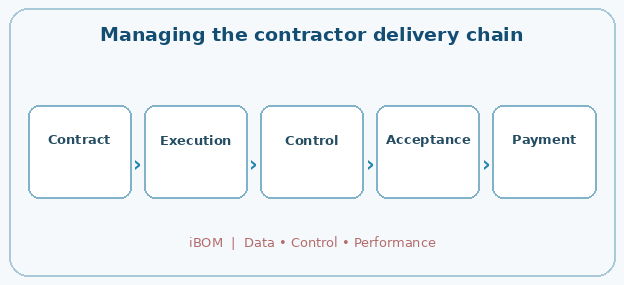
Figure 1. Managing the contractor delivery chain
3. Clear scope boundaries prevent downstream disputes
Contractual ambiguity often remains hidden until one trade discovers that a necessary interface task is not included in its price. Temporary access, penetrations, testing, protection of finished work and reinstatement are common examples. The resulting disagreement can disrupt a critical workfront even when the disputed item is small.
Scope should be anchored in coordinated drawings, bills of quantities, technical specifications, handover milestones and an interface responsibility matrix. Document revisions and precedence must be controlled. When requirements change, their implications for price, time and responsibility should be recorded promptly instead of reconstructed after verbal site instructions.
4. Contract quantities, installed quantities, accepted quantities and payable value are different
A contract quantity establishes a commercial baseline, not proof of installation. Installed work may await measurement or inspection; accepted work may still be subject to contractual payment conditions. Combining these states in a single completed-quantity field distorts cost forecasts, cash-flow plans and contractor performance assessments.
Reliable records connect each measured quantity to an activity, location, design revision, measurement period and supporting evidence. Variations should remain identifiable until properly assessed. This is particularly important for concealed work, where later measurement may require intrusive investigation or become impossible.
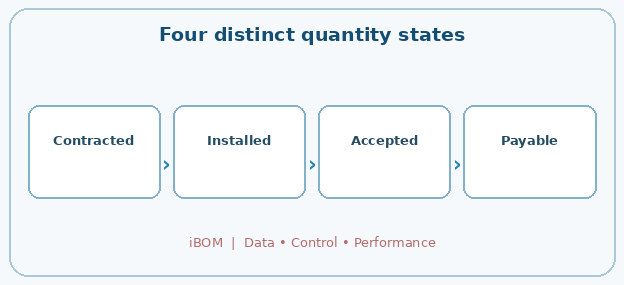
Figure 2. Four distinct quantity states
5. Schedule control must focus on readiness for successor activities
A subcontractor can report substantial output while delaying the critical path. The cause is that project progress depends on the sequence and interfaces of work, not merely aggregate labor hours. An incomplete pressure test for concealed piping, for instance, may prevent the ceiling contractor from closing an area despite apparently strong productivity figures.
Contractor schedules must be linked to workfront access, approved information, material readiness, inspection hold points and handovers. Short-term planning should test whether prerequisites are actually satisfied. A useful progress review identifies constraints and assigns timely corrective decisions rather than simply reciting completed tasks.
6. Interface coordination governs productivity across trades
Site space, cranes, hoists, logistics routes and storage areas are shared resources. Independently optimized subcontractor plans may compete for these resources and create waiting time that appears later as overtime, reduced productivity or acceleration claims. These losses are difficult to diagnose from isolated contractor reports.
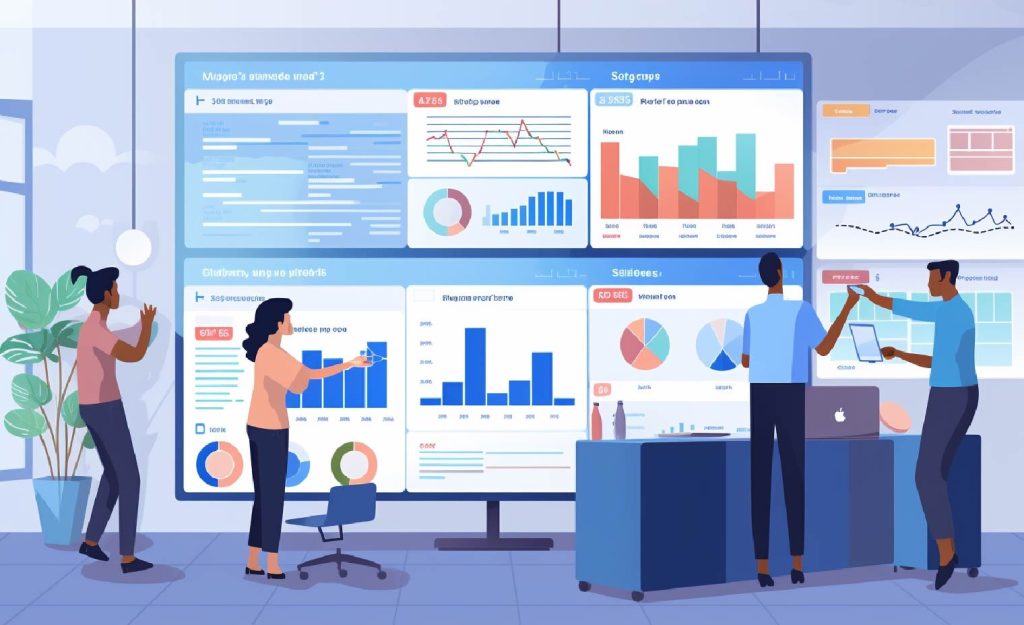
Effective coordination requires workfront priorities, shared-equipment capacity, handover rules and accountable constraint resolution. Coordination meetings should produce decisions with owners, deadlines and verifiable outcomes. Linked activity and location data then help distinguish a contractor causing a blockage from one affected by unresolved upstream conditions.
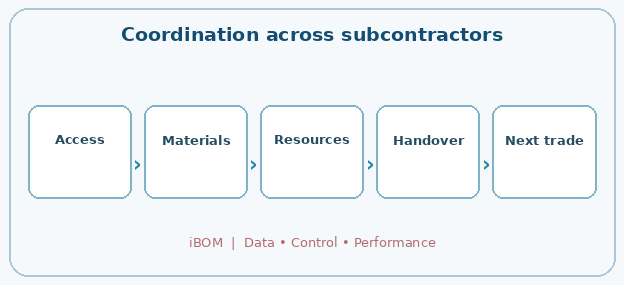
Figure 3. Coordination across subcontractors
7. Quality acceptance is integral to contractual completion
Physical installation alone does not demonstrate compliant completion. Accelerating output by bypassing inspections may improve short-term progress but create rework, disputes and delayed handover. The preceding article established the role of quality evidence; the contractor-management challenge is to make that evidence part of performance and commercial decisions.
Subcontractors must supply traceable material records, test results, stage inspections and verified closure of nonconformities. Open defects should affect handover and payment eligibility where the contract requires it. Equally, clients and main contractors must fulfill their own duties to approve information and conduct timely inspections rather than attributing every delay to subcontractors.
8. Safety and resource capability must be managed alongside output
Pressure to recover lost time can lead to excessive overtime, unfamiliar crews and congested workfronts. These decisions can increase both safety exposure and quality failures. Contractor capability must therefore be assessed through competence, supervision, equipment suitability and safe methods—not headcount alone.
Changes in key personnel, rework trends, near misses and equipment waiting time may signal deteriorating conditions. However, safety indicators must not encourage incident concealment. Reliable governance promotes honest reporting and corrective action before schedule pressure becomes an injury or major disruption.
9. Payment certification must follow verified contractual entitlement
Payment applications combine measured work, acceptance evidence, variations, advance recovery, retention and other contractual adjustments. When engineering, commercial and finance teams maintain separate figures, reconciliation becomes slow and opaque. Delayed certification can then undermine the subcontractor’s liquidity and future mobilization.
The process should distinguish amounts claimed, quantities verified, quality-eligible value and finally certified payment under the contract. Deductions and adjustments require traceable grounds. The aim is not to delay payment in the name of control, but to accelerate justified payment through shared, auditable evidence.
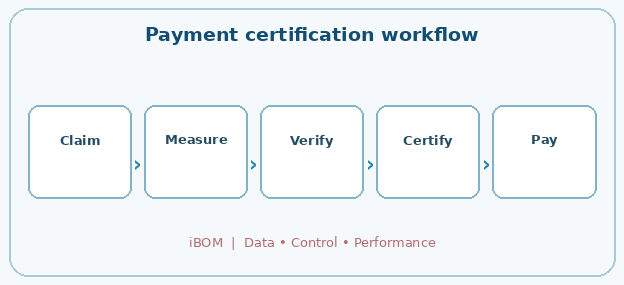
Figure 4. Payment certification workflow
10. Variations and claims depend on a contemporaneous record of events
Design revisions, late access and unforeseen conditions may affect both cost and time. If events are not recorded as they occur, claims are assembled retrospectively with incomplete evidence and conflicting recollections. Disagreement then shifts from the actual impact of an event to the credibility of disconnected spreadsheets.
A robust variation record identifies the event, instructions, affected scope, resource consequences and schedule impact. Entitlement must be assessed under the applicable contract and law; additional expenditure alone does not establish a right to compensation. Early notices and timely decisions reduce the risk of continued work under unresolved commercial assumptions.
11. Performance assessment requires context, not simplistic rankings
Raw completion percentages and defect counts can misrepresent performance. A contractor working in complex interfaces or with late access may appear worse than one undertaking simple, repetitive work. Conversely, rapid reported output can conceal incomplete records and costly rework.
Balanced assessment considers commitment reliability, context-adjusted productivity, first-pass acceptance, defect resolution, safety, documentation and cooperation. Causes attributable to the employer, designer or main contractor should be distinguished from subcontractor performance. Consistent definitions make these results useful for future procurement decisions.
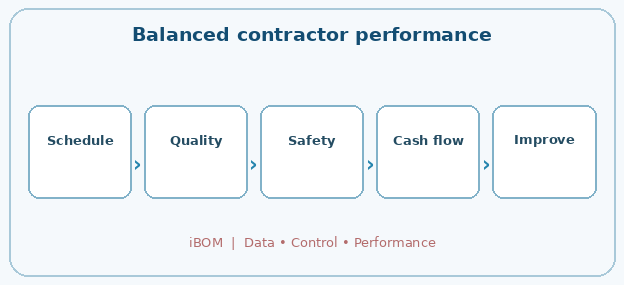
Figure 5. Balanced contractor performance
12. Illustrative case: completed work without corresponding cash flow
Consider an MEP subcontract worth VND 30 billion. The subcontractor reports 60% completion and applies for VND 18 billion. Project records verify only VND 16.5 billion of measured work, including VND 1.2 billion awaiting pressure-test and acceptance evidence; a further VND 0.8 billion relates to a design variation without an agreed valuation. These figures are hypothetical and illustrate a control method, not actual project findings.
A single 60% figure obscures the commercial position and can create mutual accusations of delayed payment. Separating measured work, acceptance status and unresolved variations reveals what can be processed under the contract and what requires further action. Management can then address the real bottlenecks—technical verification and change approval—rather than treating the issue solely as an accounting delay.
13. Integrated data enables project-wide rather than contractor-by-contractor control
Contract terms, schedules, daily reports, measurement sheets, inspections, nonconformities and finance records are frequently stored separately. Without shared package, activity and location identifiers, reconciliation relies on manual spreadsheets. Management consequently struggles to see how one delayed interface affects successor trades and the cash flow of several organizations.
An integrated information model should link scope, plans, field evidence, accepted quantities, variations and payments while preserving revision history and approval authority. Technology does not override contractual responsibilities. It makes the basis of decisions consistent, traceable and available early enough to influence execution.
14. Implementation should start with one interface-intensive package
A company need not digitize every subcontract simultaneously. An MEP or finishing package with frequent inspections, multiple interfaces and material payment value is a useful pilot. First standardize work codes, scope boundaries, measurement rules, handover milestones and acceptance criteria. Then connect site reporting, measured quantities and payment certification through a complete operating cycle.
Results should be assessed through measurement lead time, certification cycle time, rework, short-term plan reliability and dispute frequency. Only after these outcomes improve sustainably should the model expand across projects. The goal is not more dashboards; it is less waiting, fewer defects and clearer accountability.
Conclusion
Effective contractor management is not measured by the number of signed contracts or reports received. It is demonstrated by converting commitments into compliant work, dependable handovers and transparent payment. Connecting scope, schedules, quality and cash flow through verifiable evidence reduces waiting, disputes and rework. It also establishes the foundation for AI-assisted early assessment of contractor risks in the next article.
References and application notes
- FIDIC, Conditions of Contract for Construction (Red Book), 2017 — reference for contract administration, measurement and payment.
- ISO 9001:2015 — quality management systems and externally provided processes.
- Project Management Institute, PMBOK Guide — project scope, schedule, resources and stakeholder management principles.
- How Can AI Predict Construction Project Delays?
- Autonomous Organization — When the System Starts to Run Itself
- AI in Construction Project Management: From Manual Reporting to Intelligent Decision Support (Part 2)
- Why Great Construction Companies Don’t Depend on Great People
- How Far Can AI Automate Enterprise Processes?