
You Don’t Have a Software Problem. You Have a Process Problem.

In recent years, many construction companies have invested in software.
Project management tools.
ERP systems.
Cost control platforms.
The expectation is clear:
Better tools → better performance.
But in many cases, the results are disappointing.
- Systems are underutilized
- Teams continue to rely on Excel
- Data remains fragmented
- Problems persist
This leads to a common conclusion:
“The software doesn’t work.”
But in reality, the issue is rarely the software.
It is the process.
1. Software Cannot Fix Undefined Processes
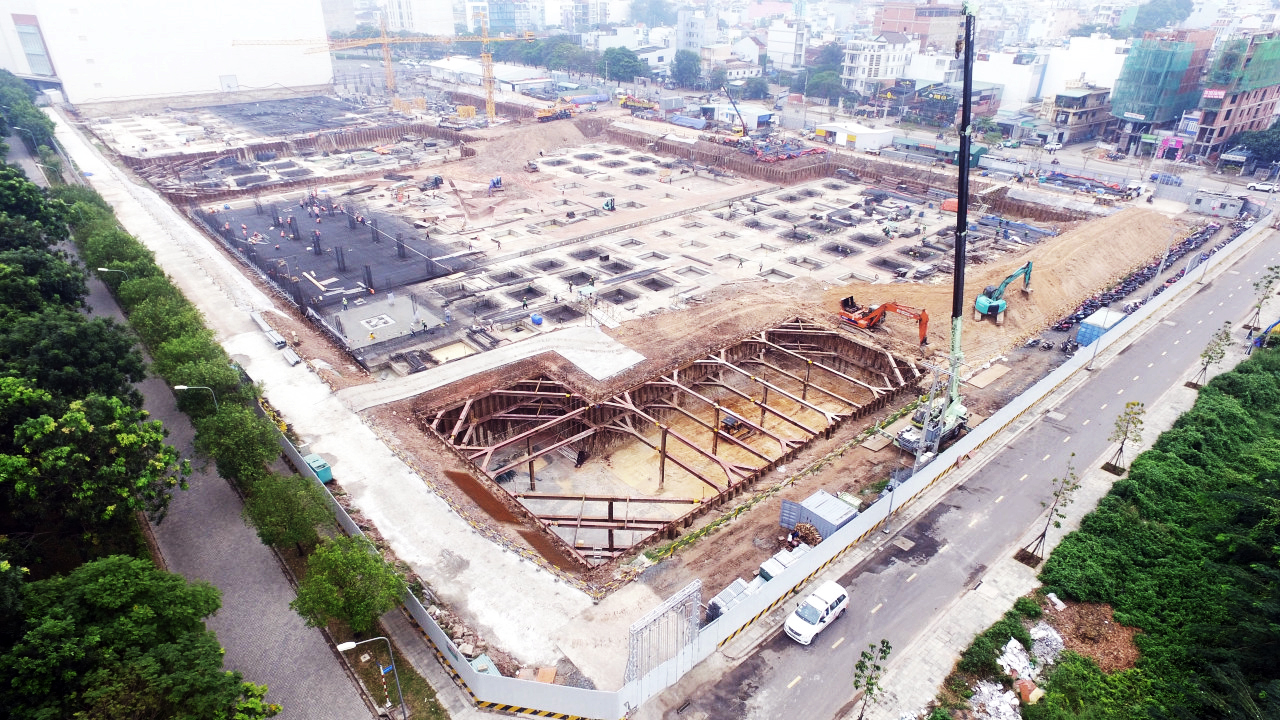
Software is designed to support processes.
But in many construction companies:
- Processes are informal
- Workflows vary between projects
- Responsibilities are unclear
When there is no consistent process:
Software has nothing to structure.
It becomes a tool without a system.
2. Digitalizing Chaos Does Not Create Control
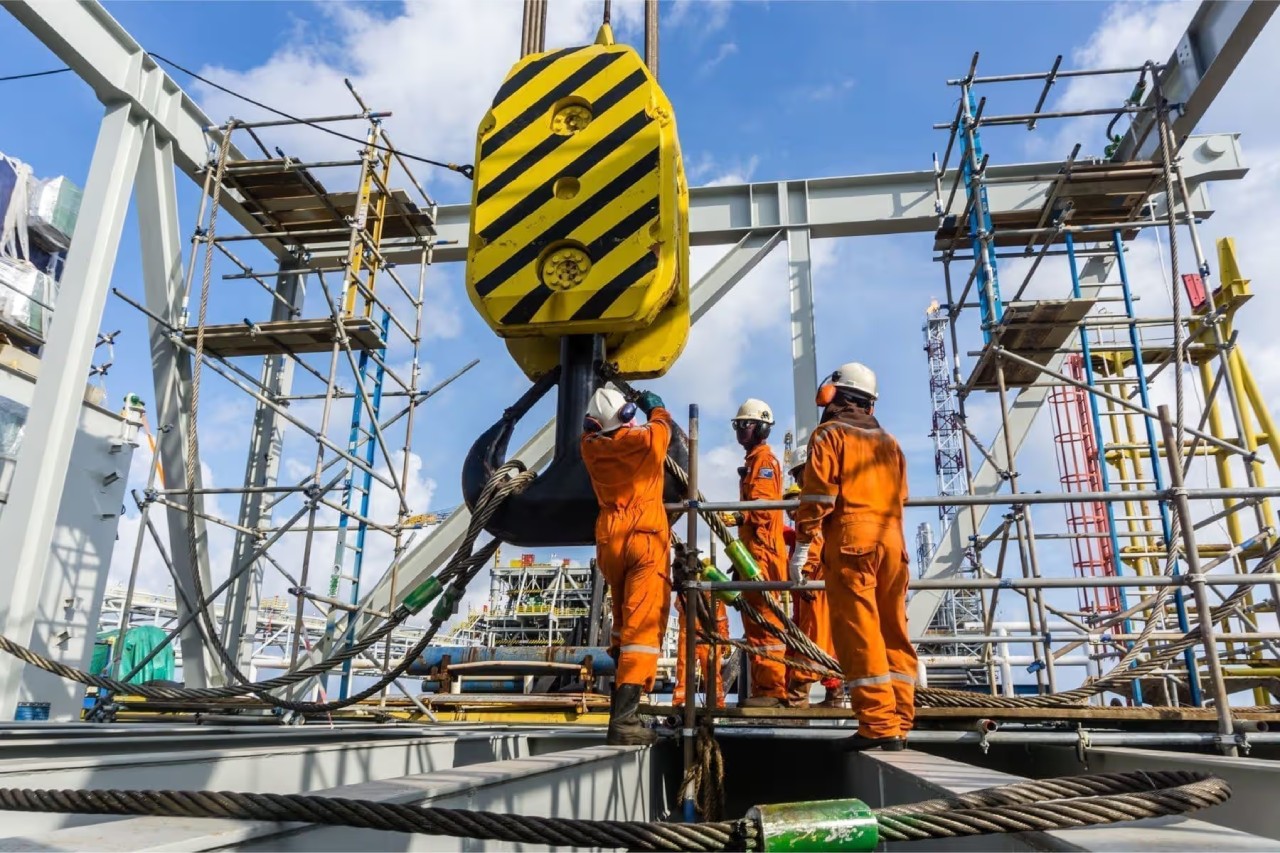
Many organizations attempt to “digitize” their operations without first defining how those operations should work.
As a result:
- Existing inefficiencies are replicated
- Complexity increases
- Data becomes harder to manage
In other words:
Digital transformation without process design simply turns manual chaos into digital chaos.
3. Why Teams Resist Software

Resistance to software is often misunderstood as a “people problem.”
In reality, it is usually a process problem.
When processes are unclear:
- Teams interpret workflows differently
- Data input becomes inconsistent
- Outputs are unreliable
This creates frustration.
And teams revert to familiar tools like Excel.
4. The Missing Layer: Process Design
Before implementing any system, construction companies need:
- Clearly defined workflows
- Standardized project structures
- Defined roles and responsibilities
- Consistent data inputs
This is the layer that connects operations to systems.
Without it, software cannot deliver value.
5. From Tools to Systems
To move forward, companies must shift from:
Buying tools → Designing systems
This means:
- Defining processes first
- Then aligning software to those processes
- Ensuring consistency across projects
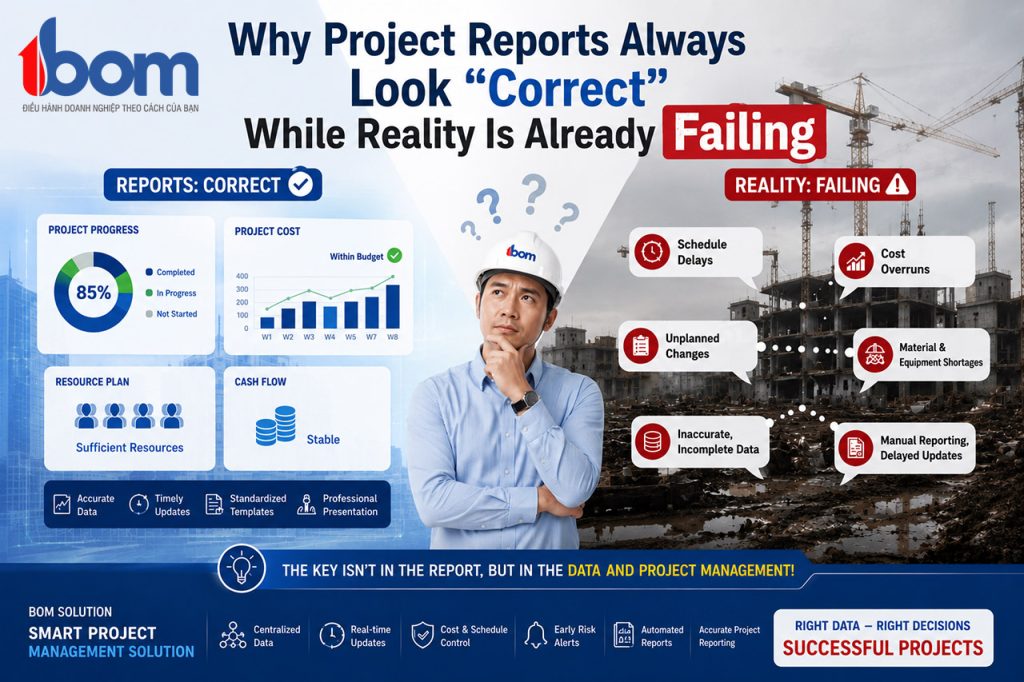
Platforms like IBOM are effective because they are built around structured processes, not just features.
6. The Leadership Question That Matters
The real question is not:
“Which software should we use?”
But:
“Do we have a process that software can actually support?”
Because:
Software amplifies what already exists.
If the process is weak → software exposes the weakness.
If the process is strong → software scales it.
Đỗ Hữu Binh
CEO, ISOFT
This article is part of a professional series analyzing construction project management and cost control strategies.
© 2026 Đỗ Hữu Binh. All rights reserved.
Any citation or reuse of this content must clearly state the source and author.