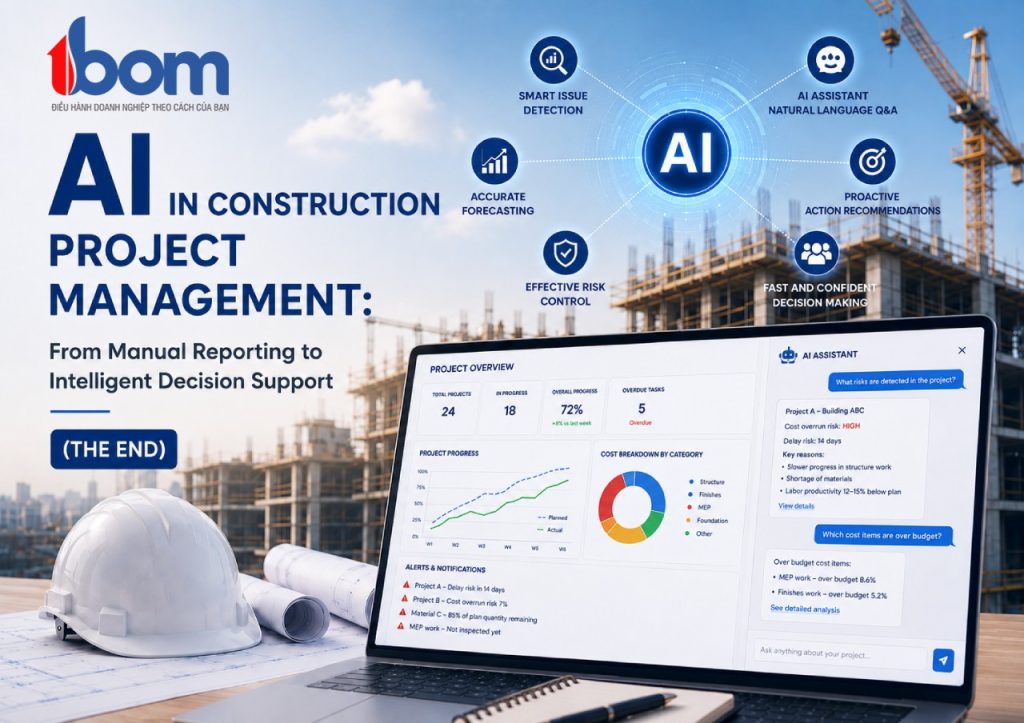

Most digital transformation initiatives fail for one simple reason: companies try to digitize chaos.
They buy software. They deploy tools. They train people.
But underneath, the way work actually flows inside the organization remains unclear.
And when workflows are unclear, no technology can save execution.
The Hidden Enemy of Digital Transformation: Invisible Workflows

In many organizations, workflows exist only in people’s heads.
- Tasks are passed verbally
- Responsibilities shift depending on who is available
- Deadlines are “understood”, not defined
- Approvals depend on relationships, not rules
From the outside, everything looks busy. From the inside, no one can explain:
- Who owns what
- What comes next
- Where work is blocked
Digital tools placed on top of this reality only make problems more visible — not solved.
Why Workflow Clarity Comes Before Automation
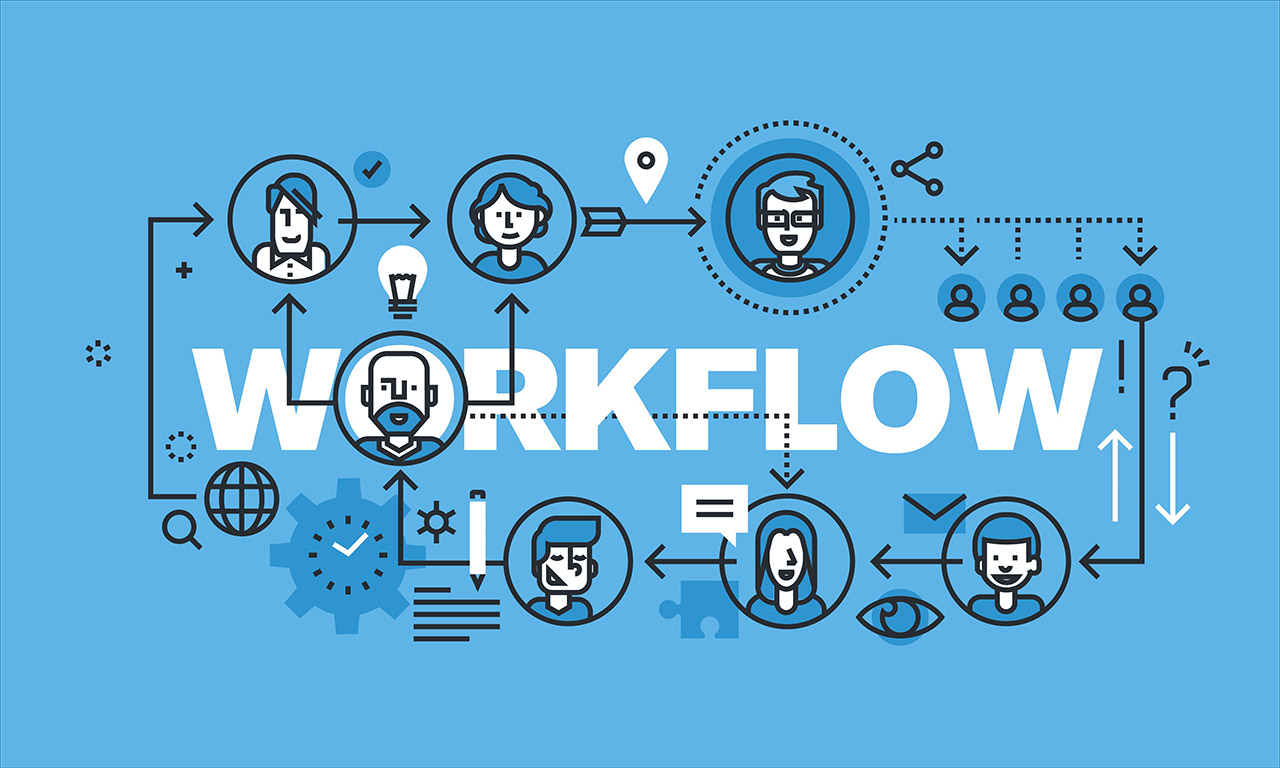
Automation works only when three things are clear:
- Who is responsible for each step
- What output is expected
- When the step is considered complete
Without this clarity, automation creates noise:
- Notifications without ownership
- Reports without accountability
- Dashboards without decisions
True digital transformation starts by making workflows explicit. Not faster. Not smarter. Just visible.
From Task Lists to Execution Systems

Many companies believe they have workflows because they use task tools.
They don’t.
Task lists show activities. Workflows define execution logic.
A real execution workflow answers:
- What triggers the work?
- What is the sequence?
- Where are the decision points?
- What happens if a deadline is missed?
This is where most digital initiatives break. Because designing execution requires leadership decisions — not IT decisions.
Where IBOM Fits In

IBOM is designed around execution workflows, not isolated features.
Instead of asking teams to “use more tools”, IBOM forces clarity:
- Defined responsibilities
- Structured workflows
- Built-in checkpoints
- Real-time execution visibility
This is what allows digital transformation to move from planning to execution.
And this is also where AI starts to matter.
iBot: AI That Protects the Workflow

iBot is not a chatbot.
It is an execution assistant that lives inside the workflow.
Its role is simple:
- Remind the right person at the right time
- Surface blocked tasks early
- Enforce reporting discipline
- Reduce managerial chasing
When workflows are clear, AI amplifies execution. When they are not, AI only amplifies confusion.
Digital Transformation Is a Design Problem

Digital transformation does not fail because people resist change.
It fails because organizations never redesign how work flows.
Before choosing tools. Before deploying AI. Before demanding results.
Design the workflow.
Execution will follow.
Đỗ Hữu Binh
CEO, ISOFT
This article is part of a professional series analyzing construction project management and cost control strategies.
© 2026 Đỗ Hữu Binh. All rights reserved.
Any citation or reuse of this content must clearly state the source and author.